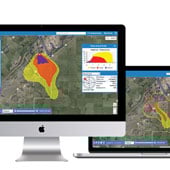




See Impacted Areas
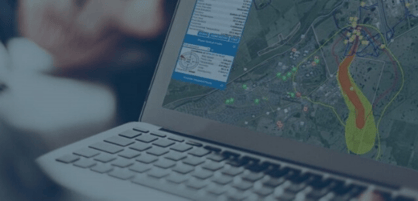
Pinpoint danger zones on a map that combines real-time data from gas sensors, weather stations, and local traffic patterns.
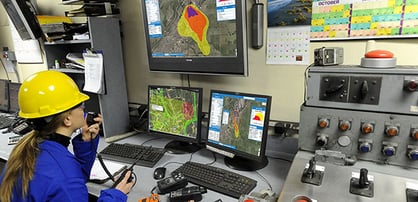
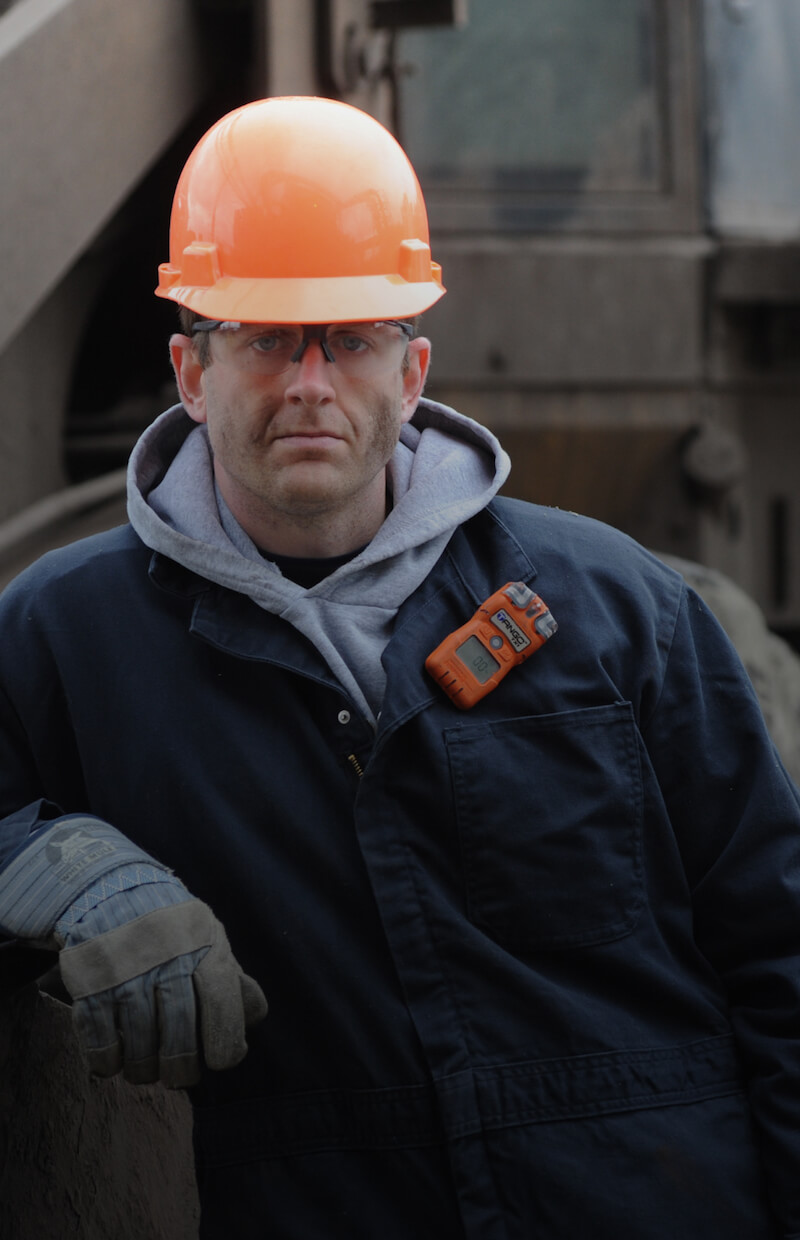
Get real-time, predictive information to proactively respond to a chemical release and reduce the risk to your people, plant, and community with SAFER One Dynamic Plume Modeling Software.

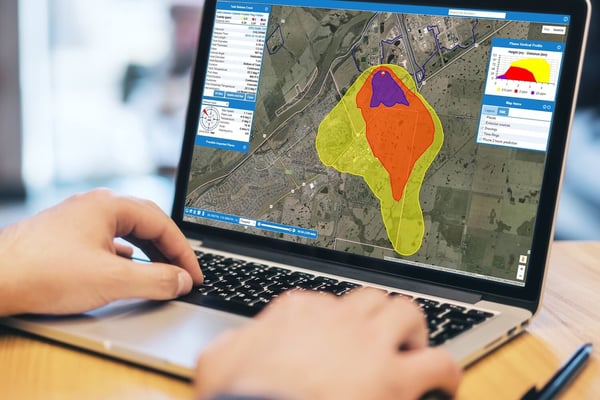

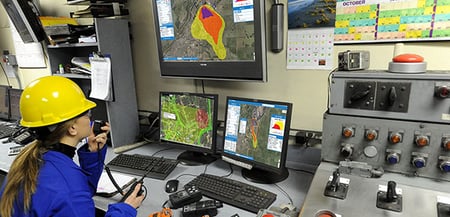
See Impacted Areas
Pinpoint danger zones on a map that combines real-time data from gas sensors, weather stations, and local traffic patterns.

Stop Leaks Fast
Immediately identify the source of a chemical leak so you can stop it quickly.

Communicate Confidently
Effectively and accurately communicate your plans with first responders and stakeholders using detailed reports.

Eliminate Manual Processes
Improve efficiency by automating post-event analysis and odor-complaint processes.
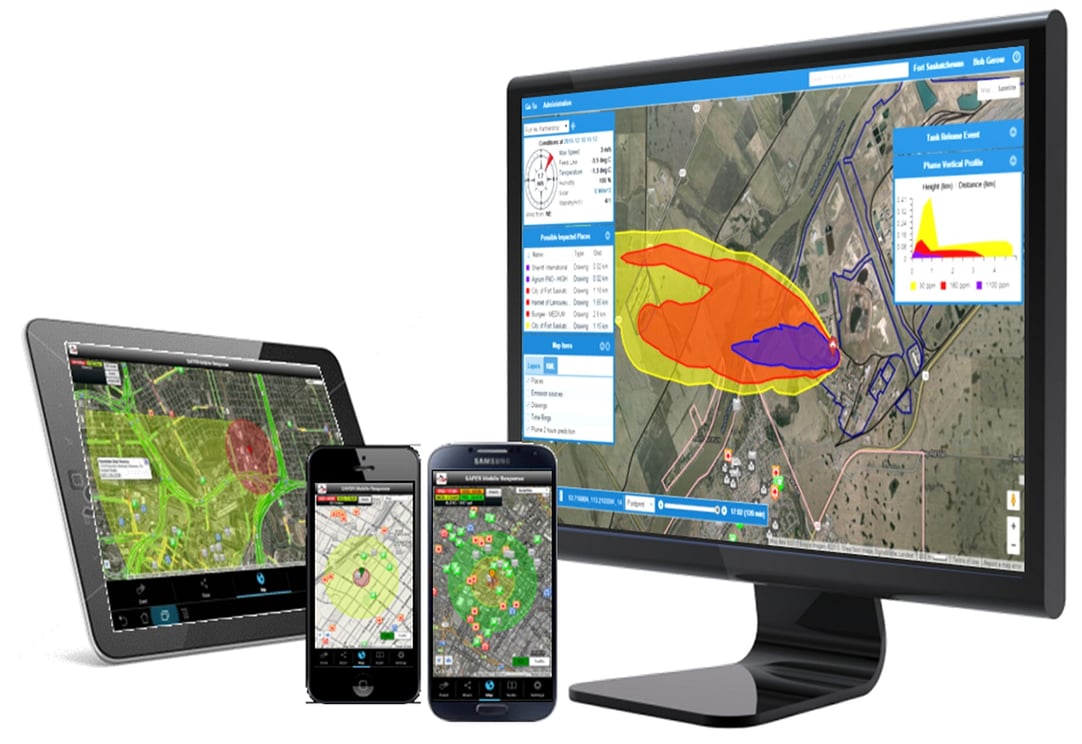
Identify impacted areas using aggregate, real-time data from gas sensors, weather stations, and local maps.
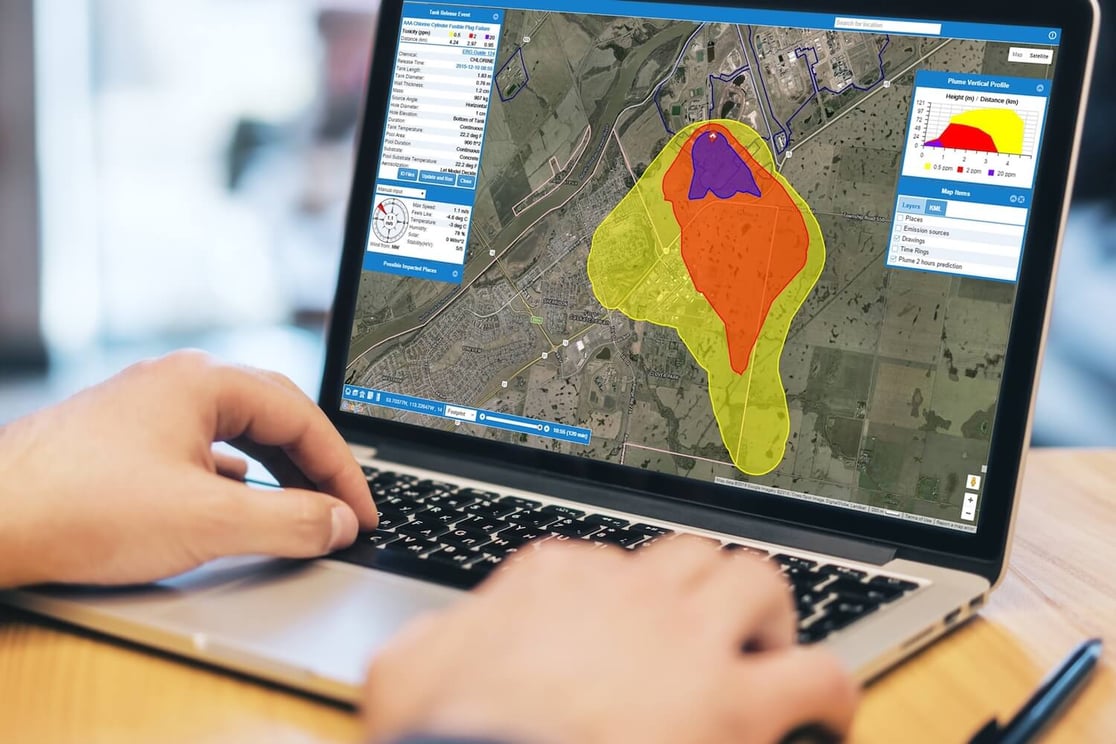
Work faster by quickly identifying the source of a chemical leak and taking action to stop it.
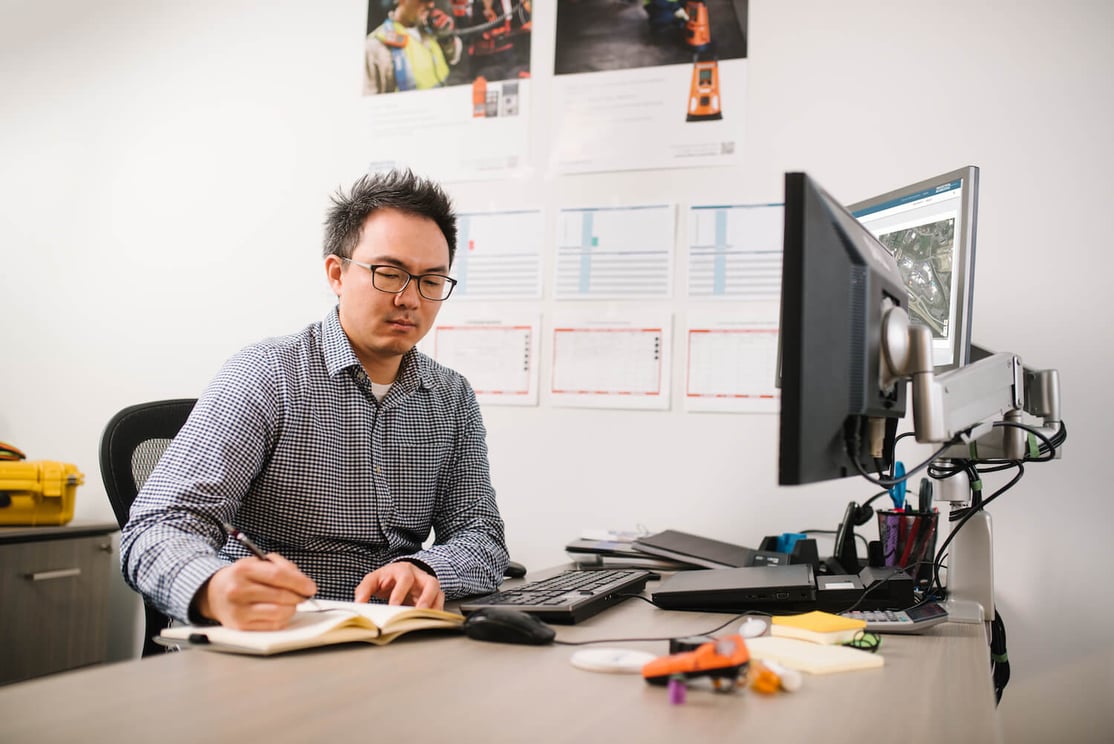
Improve communication by sharing detailed, accurate reports with first responders and community stakeholders.
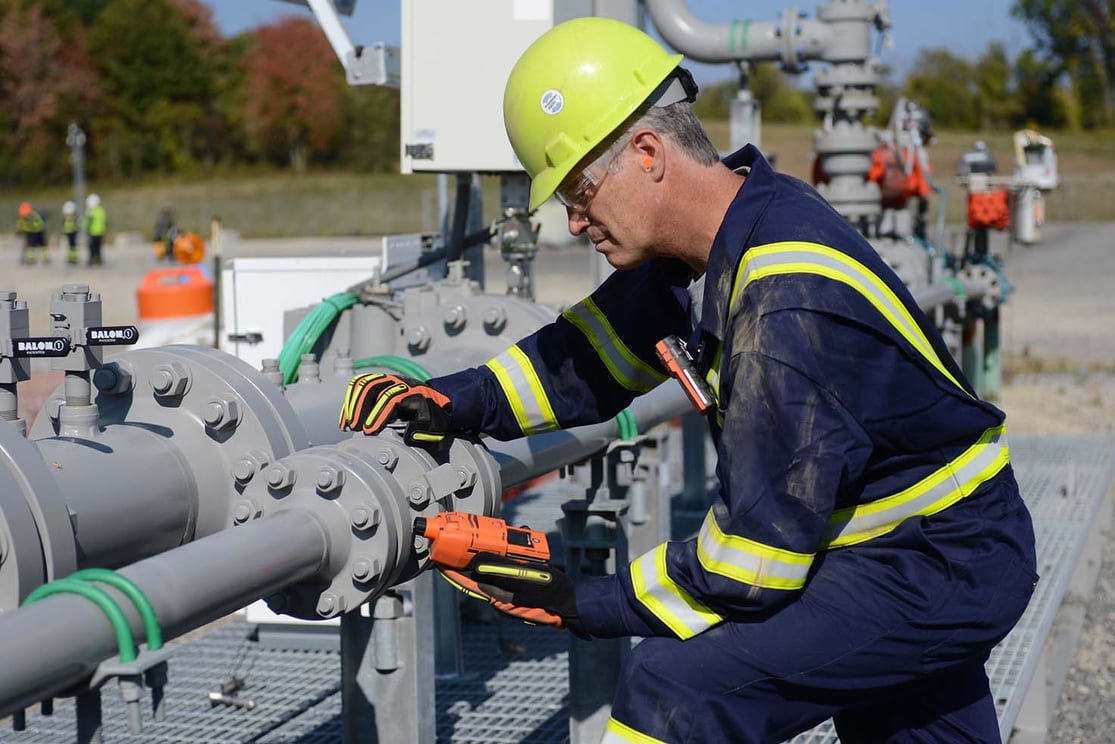
Eliminate tedious manual event analysis by automating it with our patented algorithm.

Simplify Emergency Response
Accurately predict chemical concentrations along the dispersion path to control the situation from start to finish.


Manage Odor Complaints
Stop odor complaints by quickly identifying any leak source at any time, even if it’s coming from somewhere else.

Prep Turnarounds and Shutdowns
Determine what could go wrong, then prepare your crew and emergency response team for these scenarios.

Get unparalleled visibility into hazards, people, and equipment from anywhere, all with one simple dashboard. For DSXi Docking Station customers, access to iNet Control+ is included.

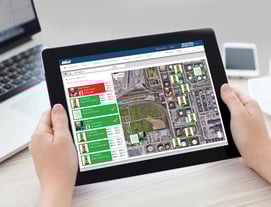
Quickly and easily respond to workers in an emergency with real-time alerts showing who is in danger, where they are working, and what hazards they face.
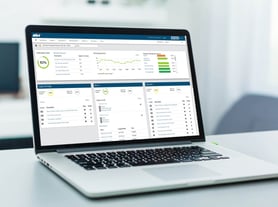
It’s the simple way to maintain gas monitors. The iNet Exchange subscription service covers gas detectors, shipping, calibration gas, docking stations, training, and more.